Tiger Rock Workshop
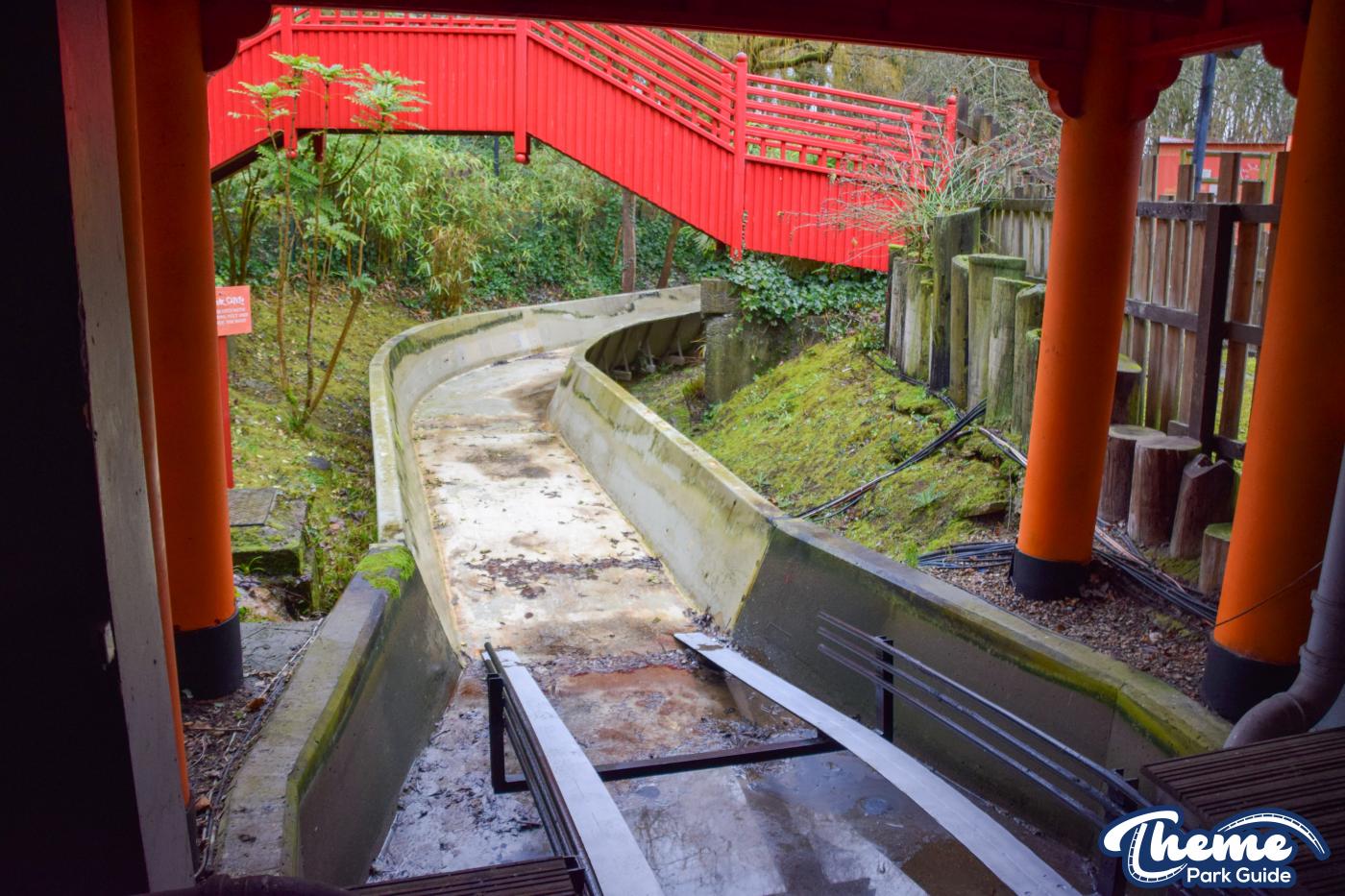
Tiger Rock presents a particularly interesting case study in water ride engineering. The attraction technically features three lift hill segments: the initial lift and drop, followed by a second lift divided into two separate sections powered by two motors and two drive belts.
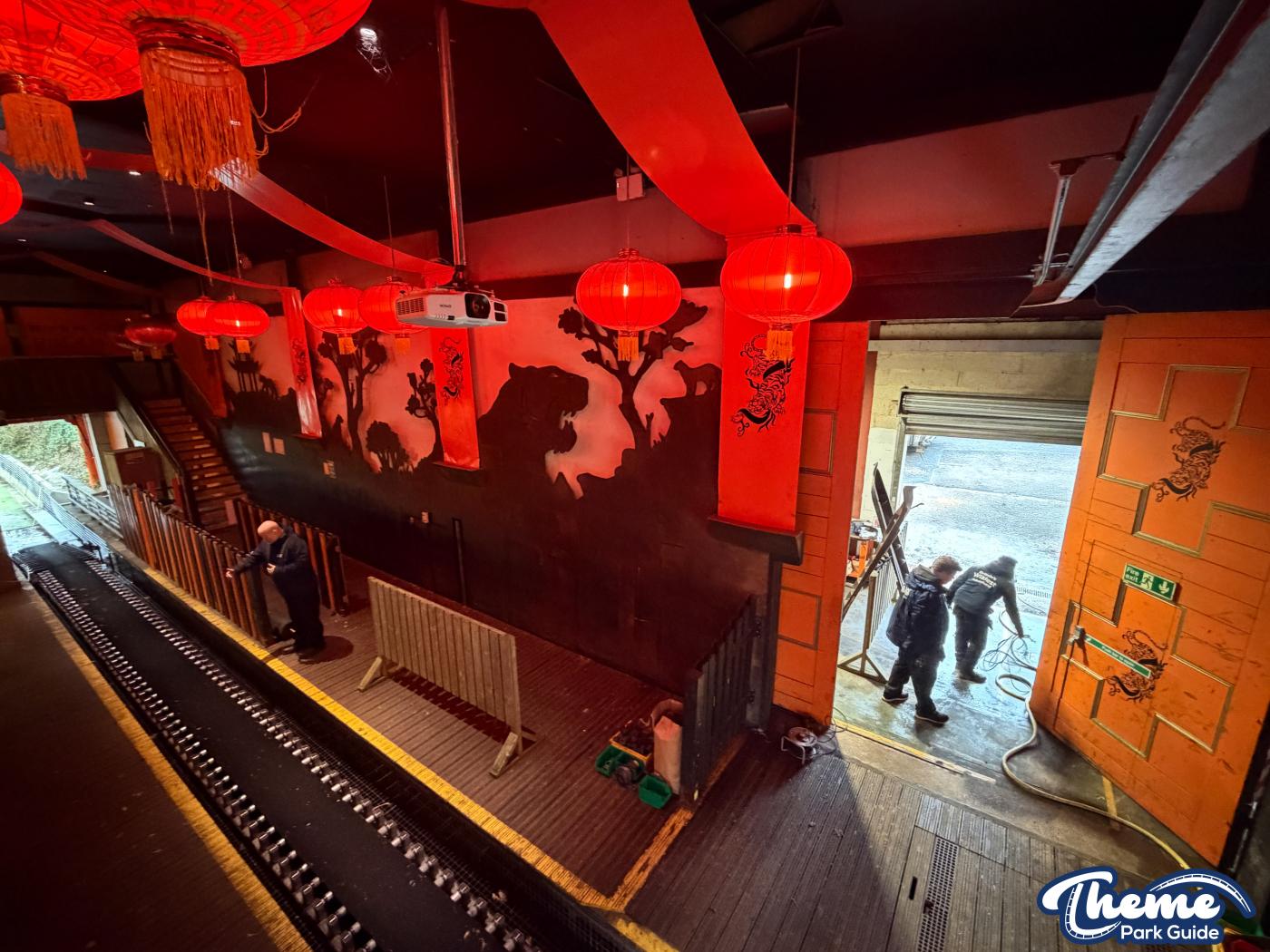
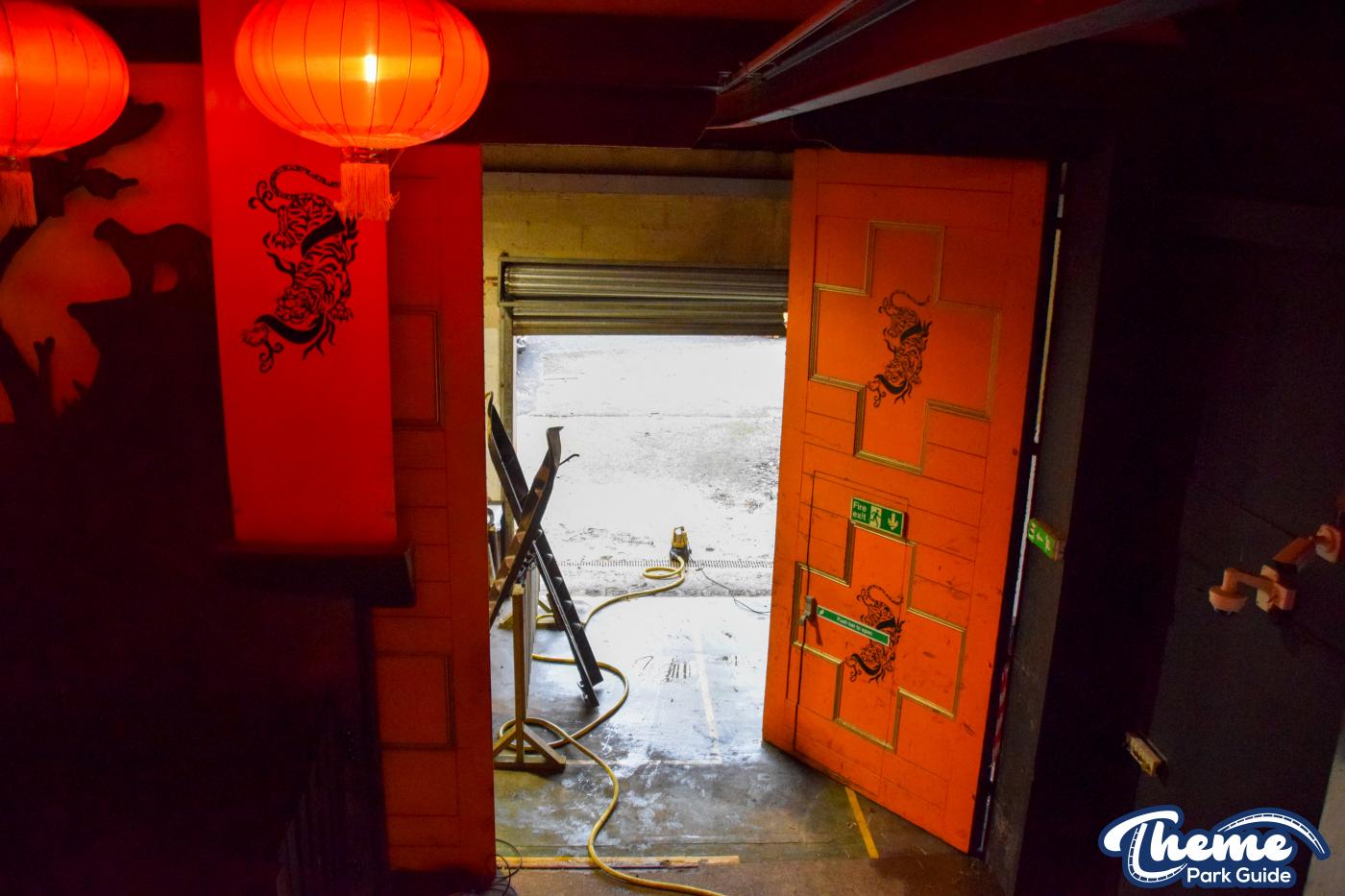
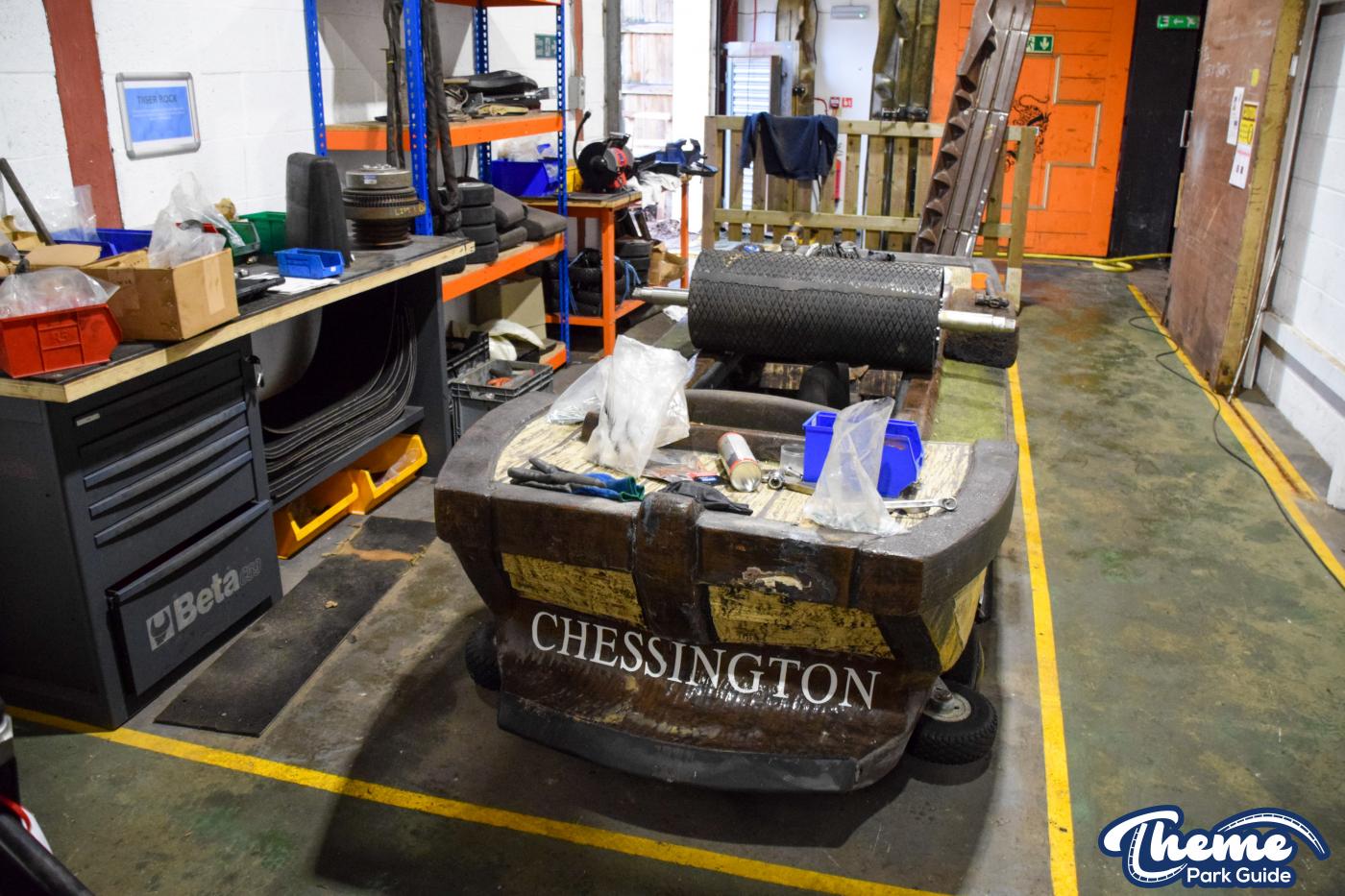
Adjacent to the station lies a two-floor maintenance workshop shared with nearby rides such as KOBRA. This space stores essential components and provides direct access for technical intervention.
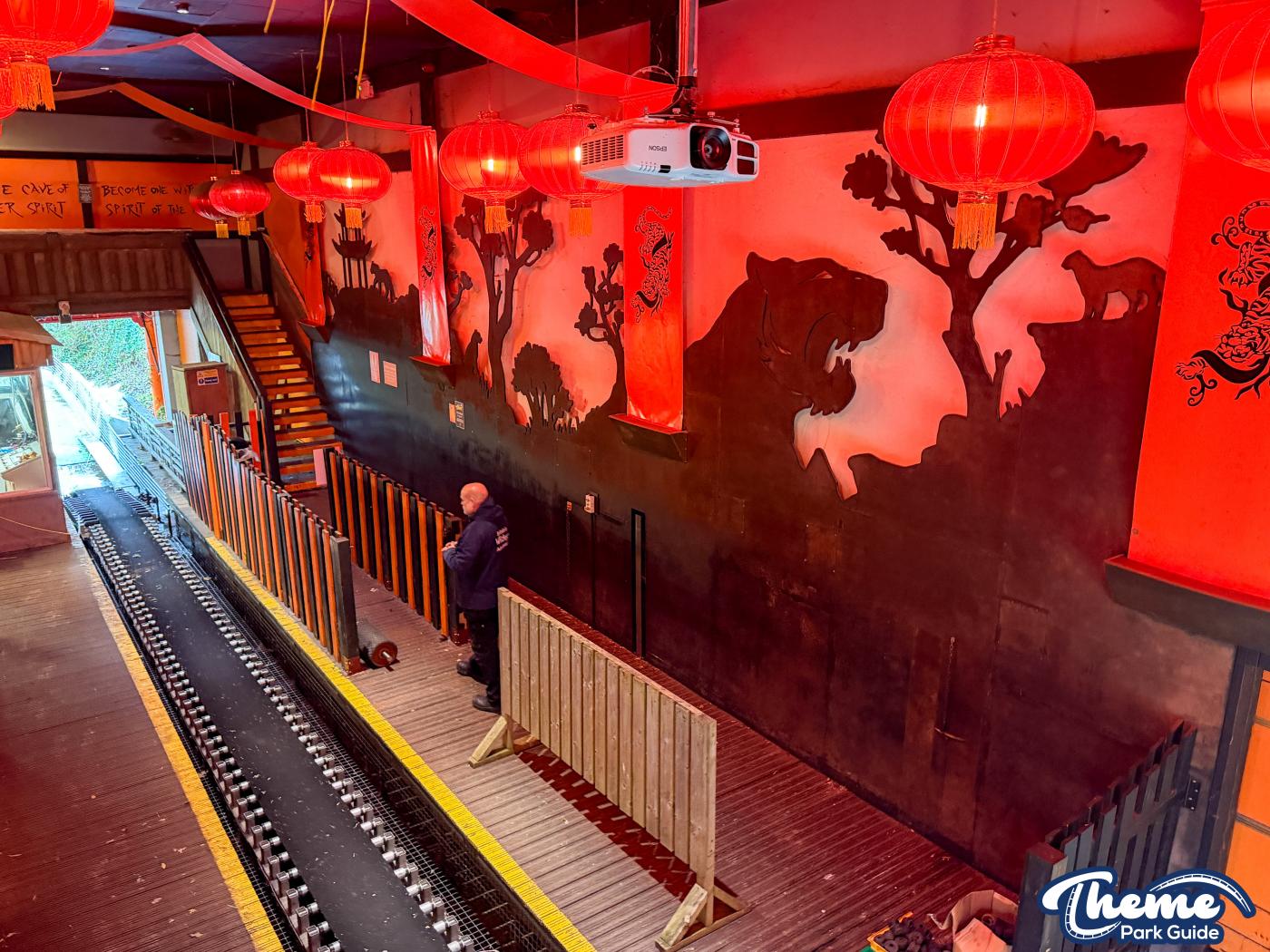
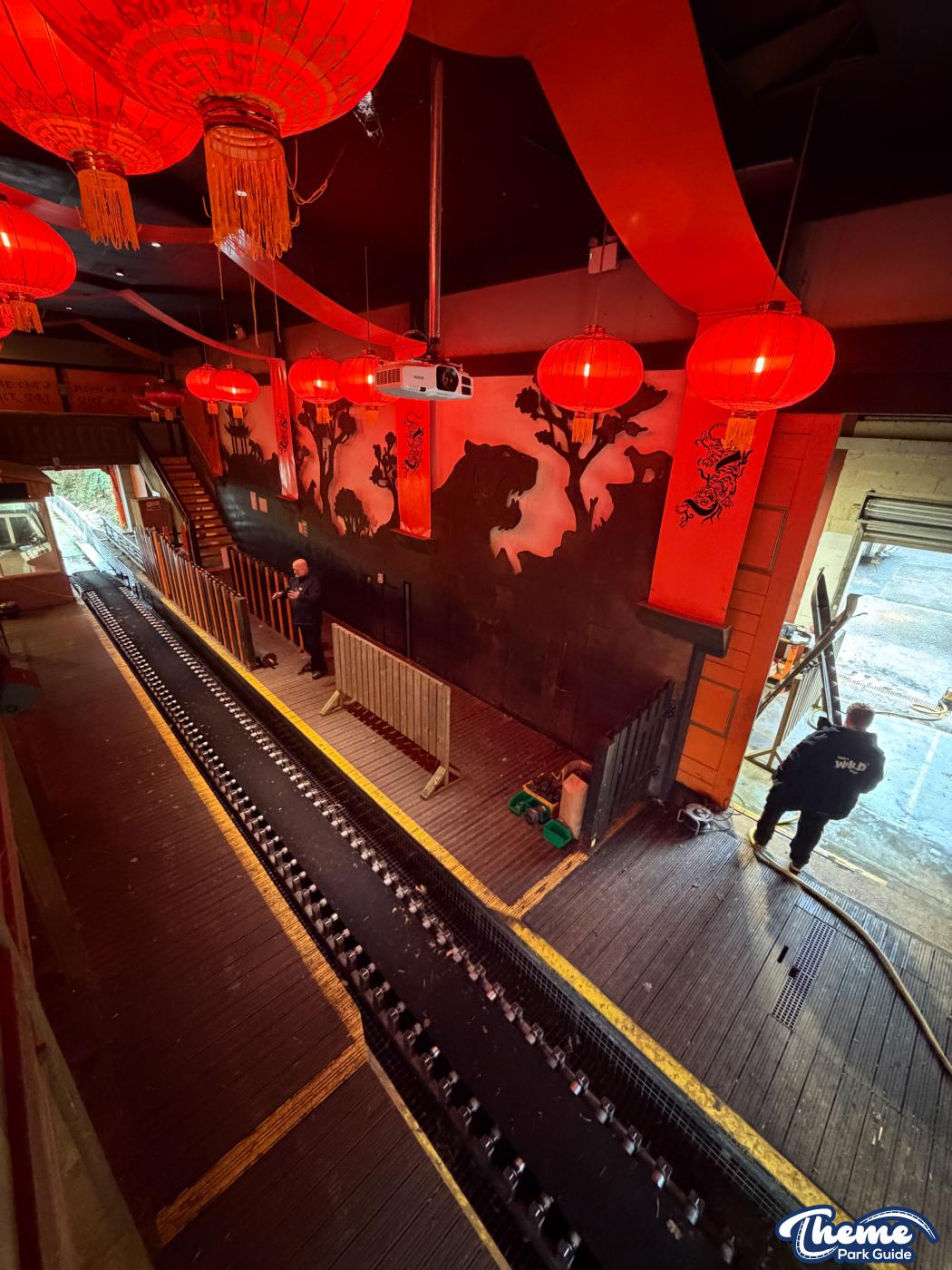
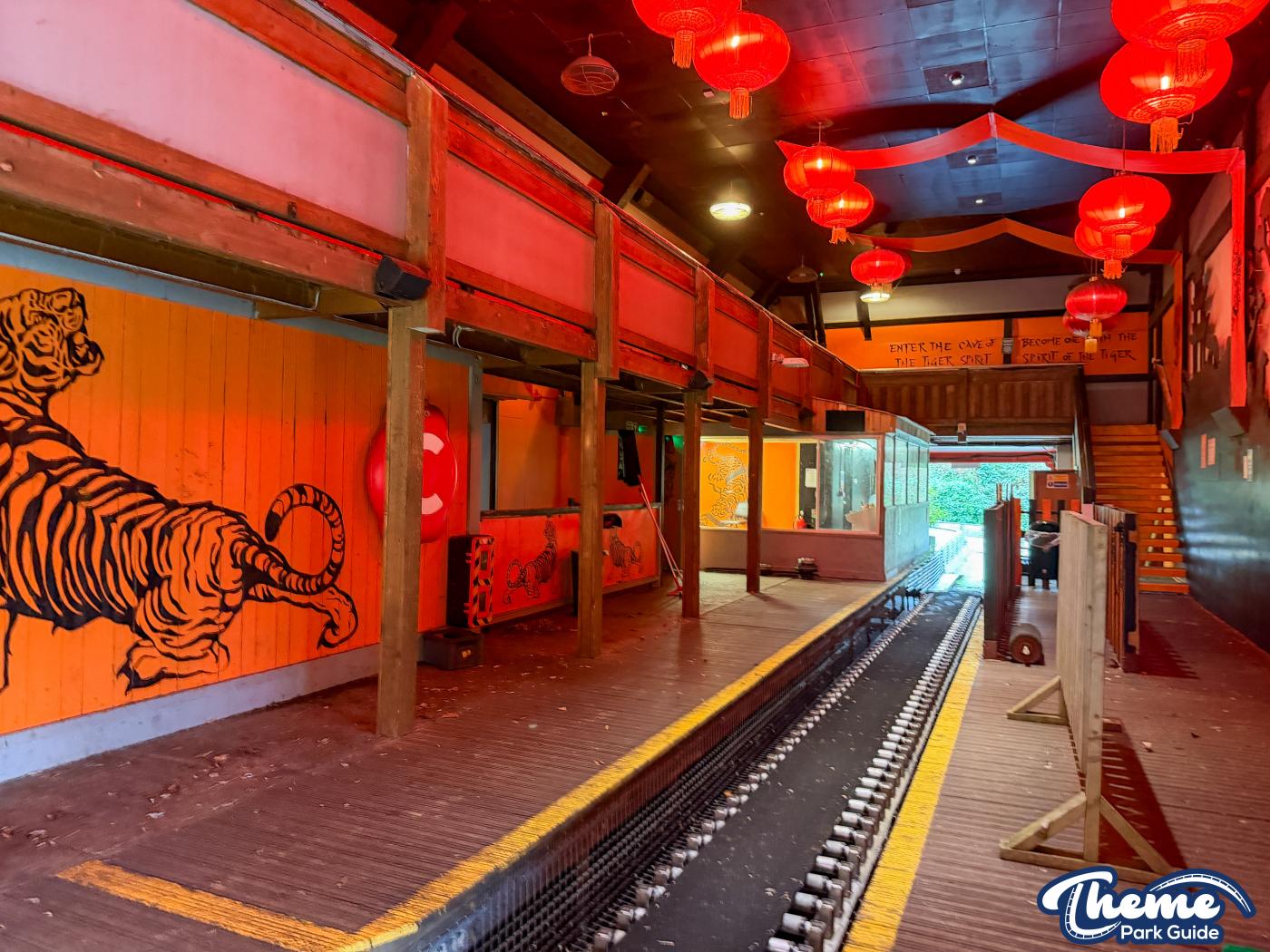
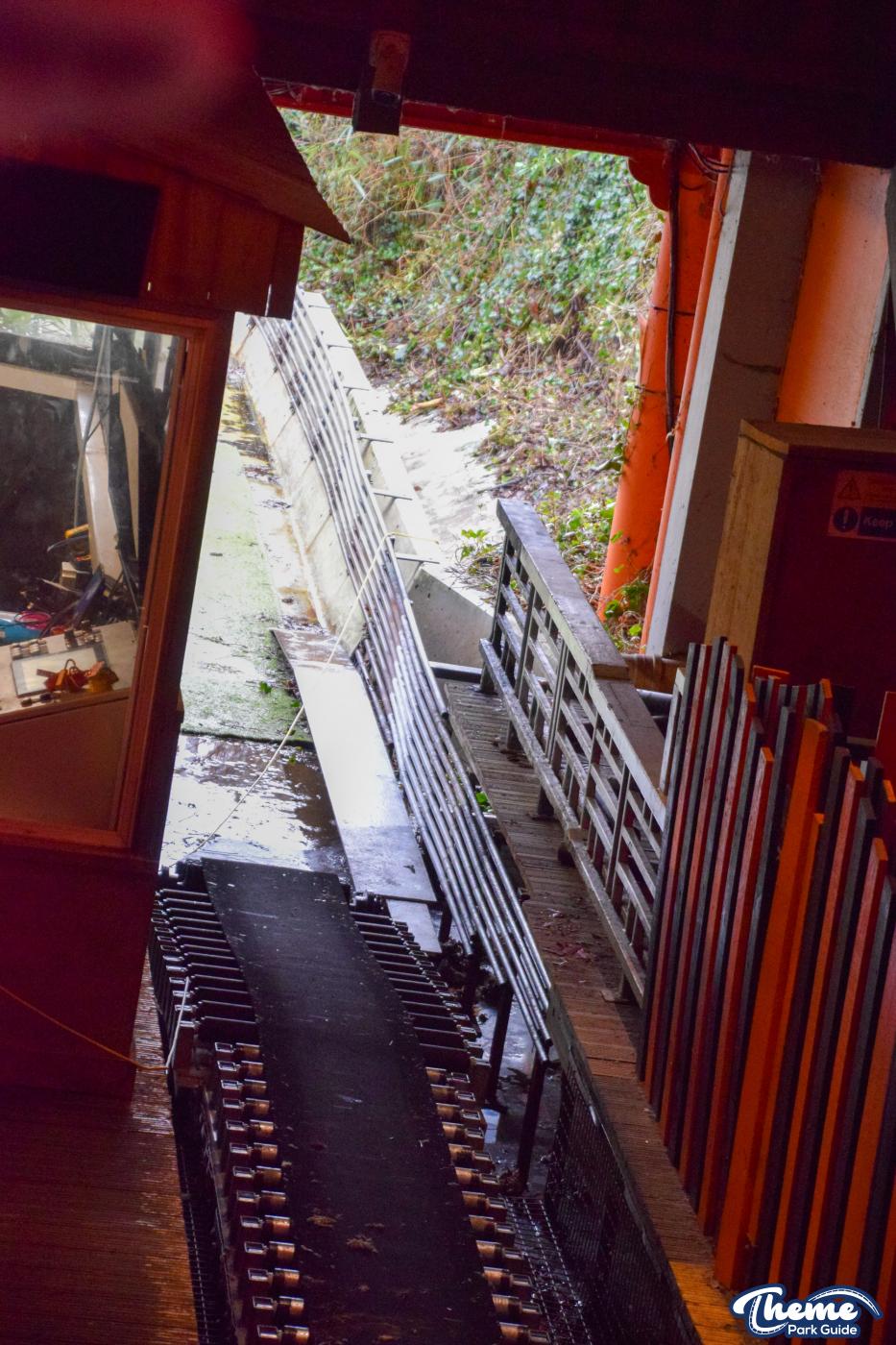
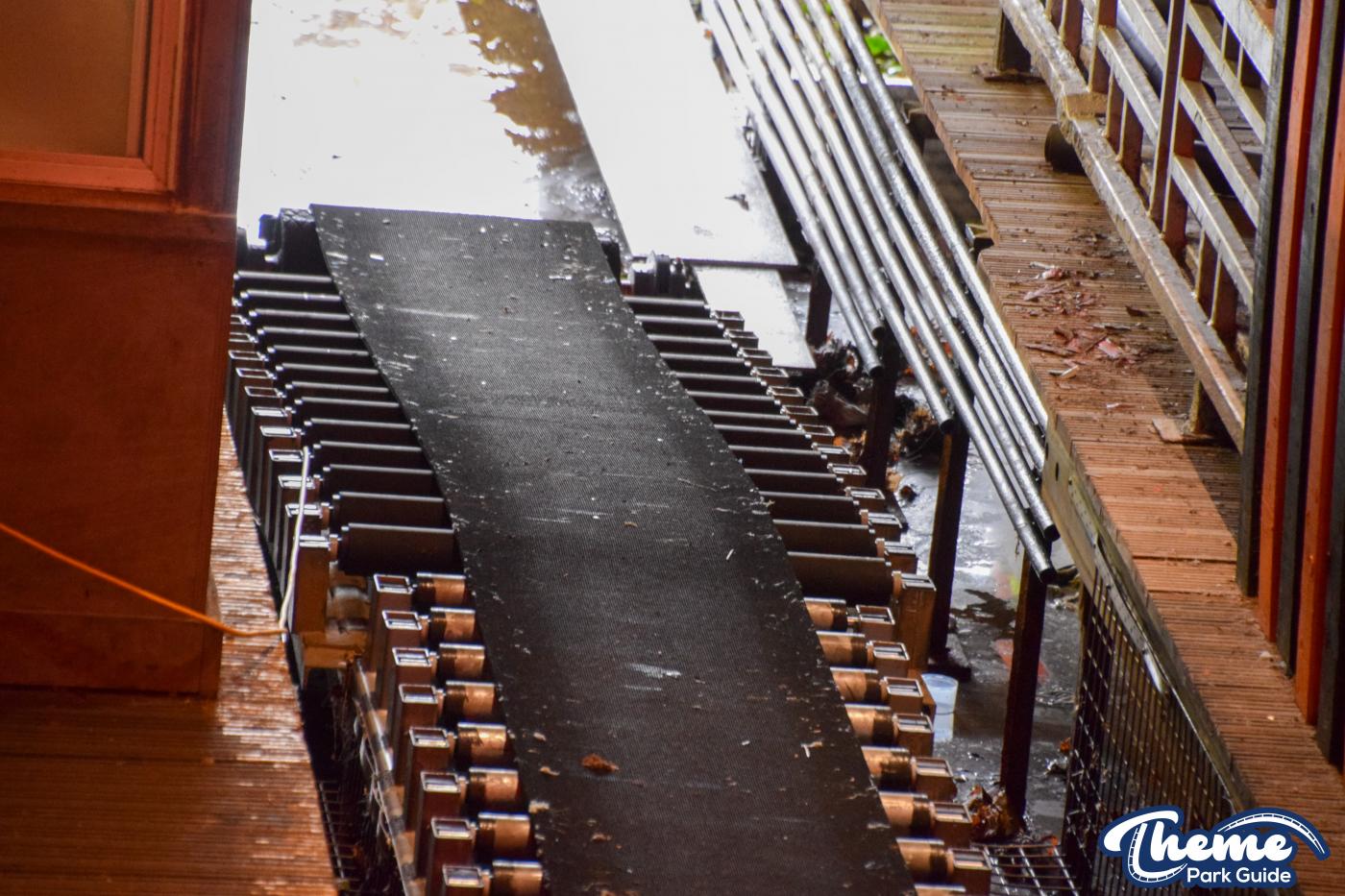
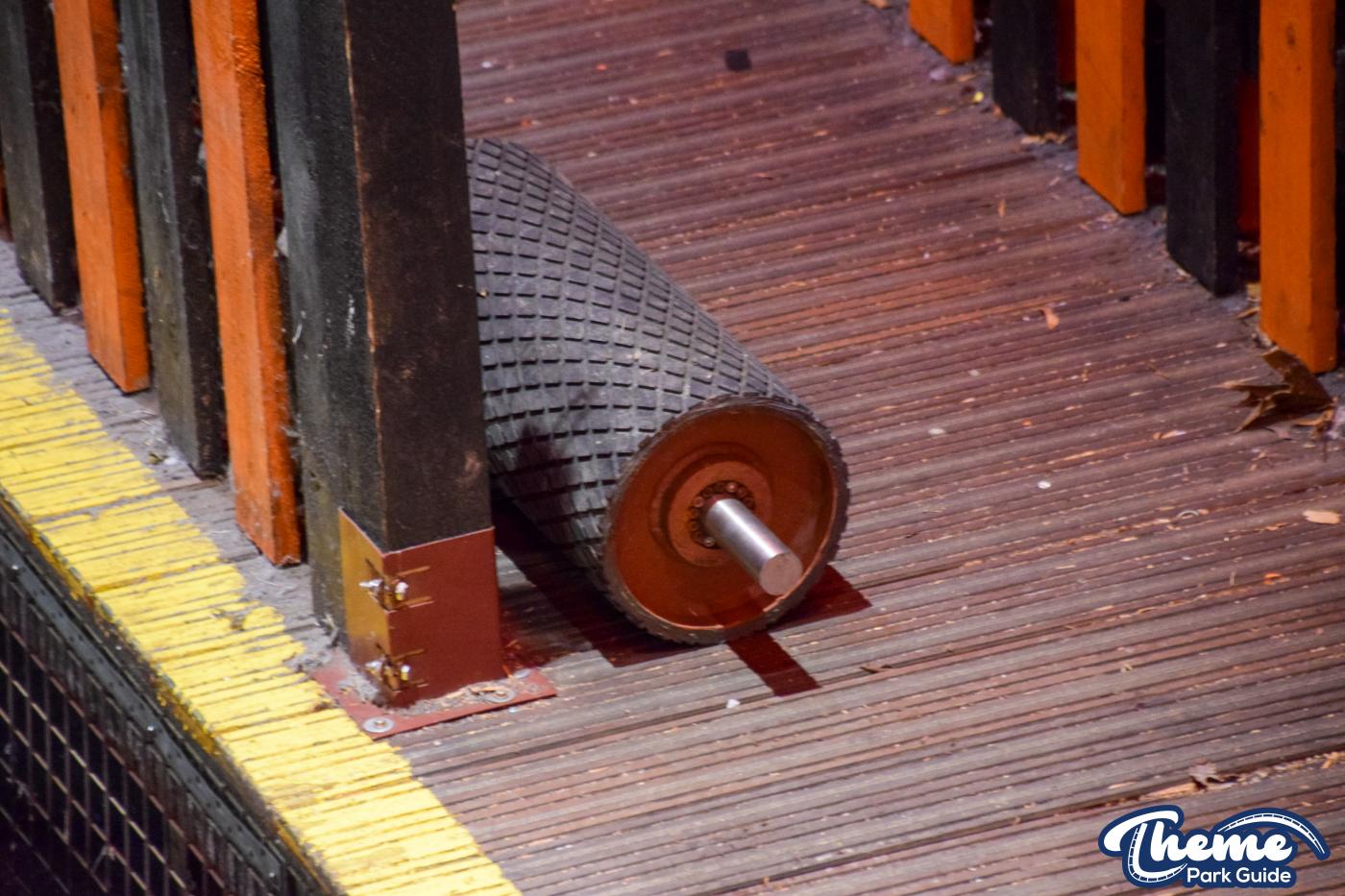
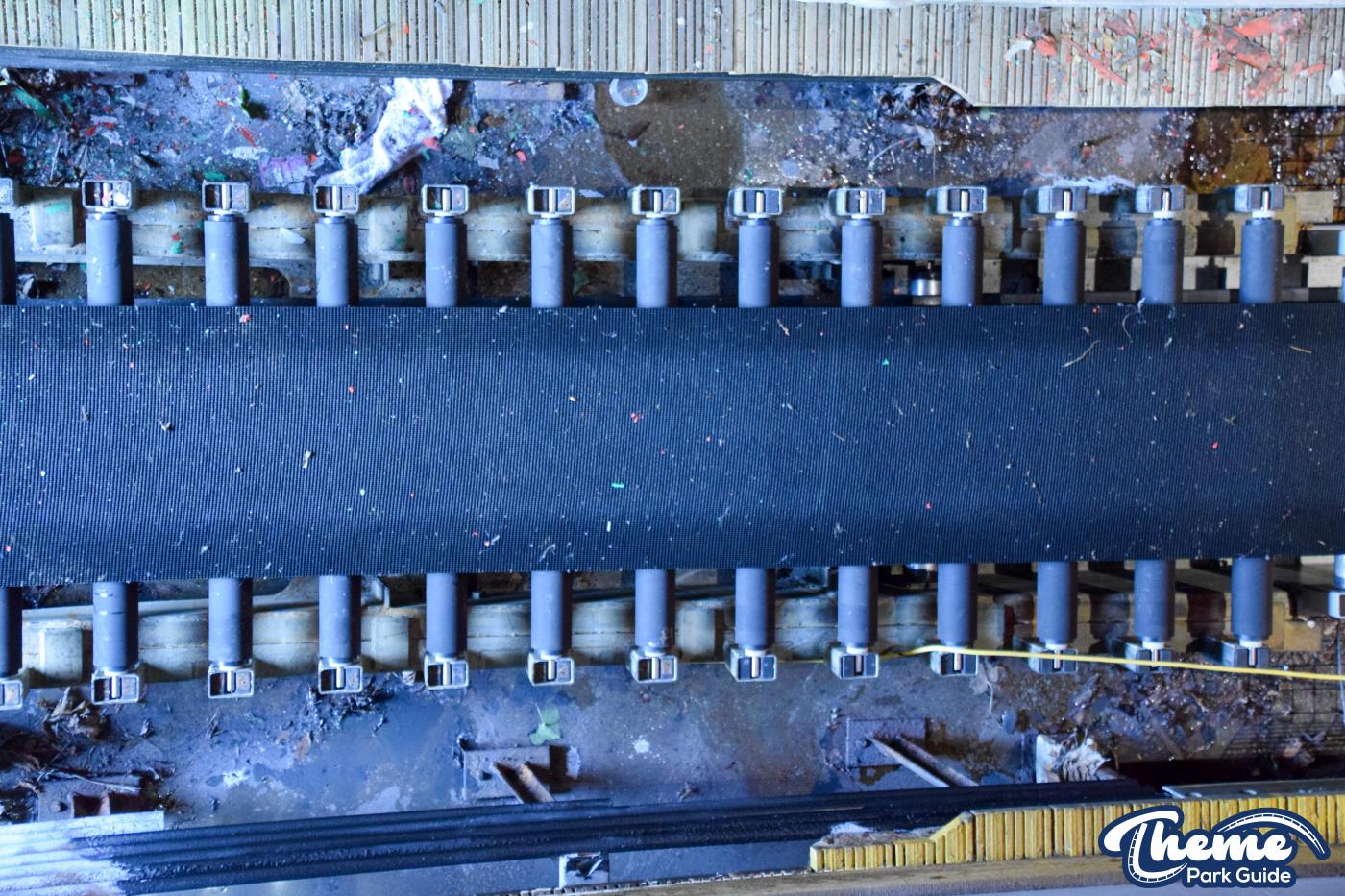
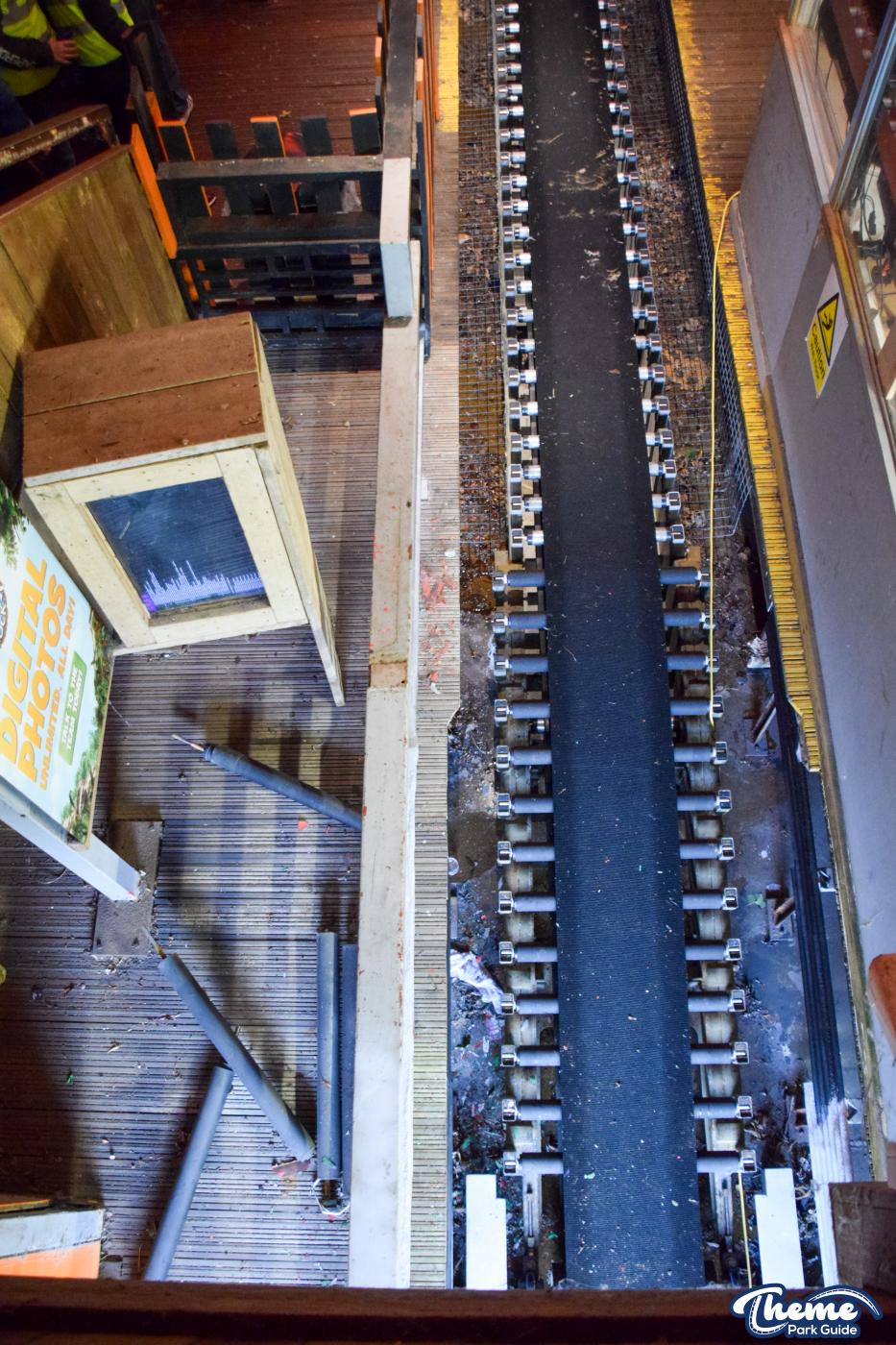
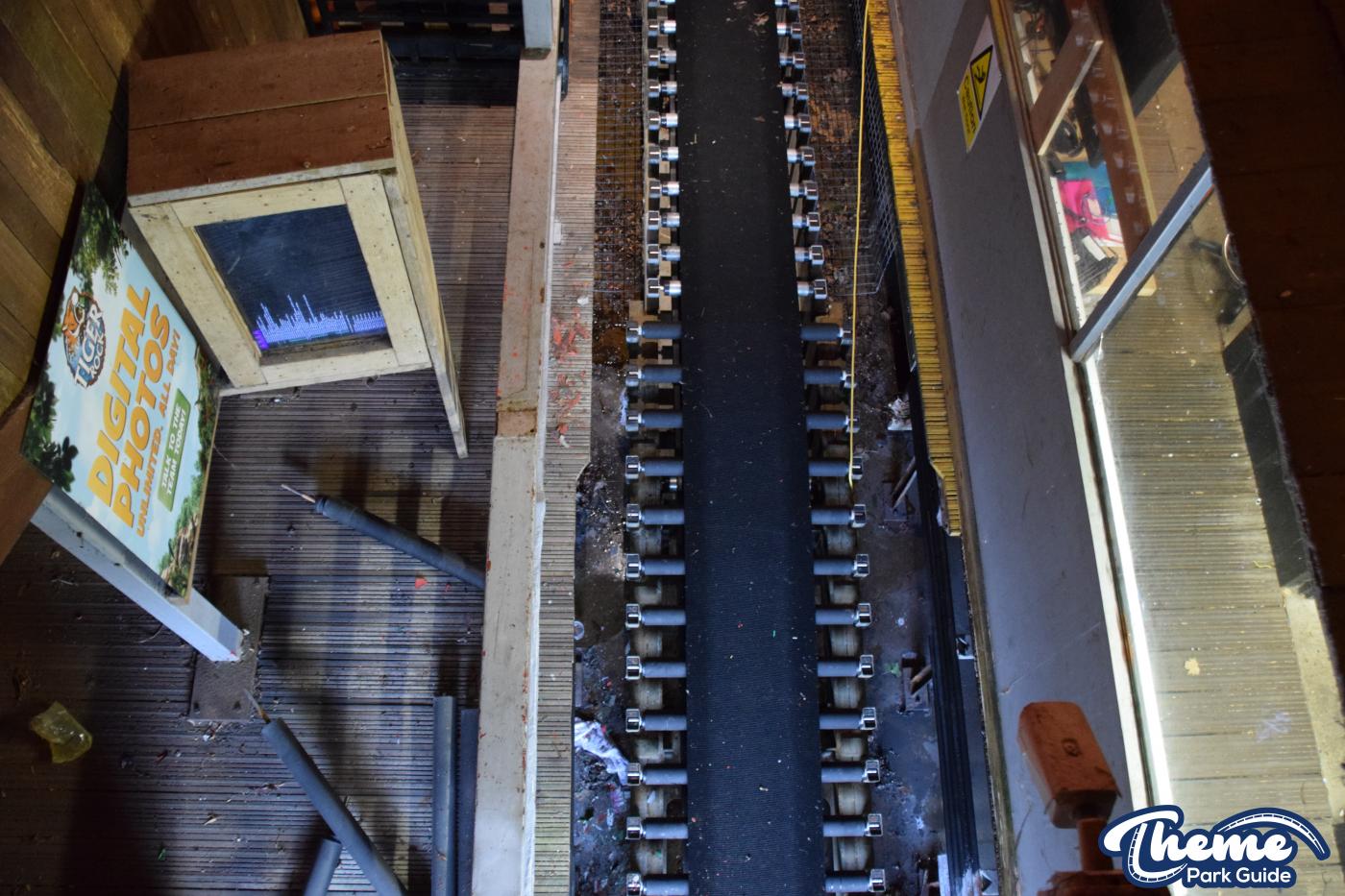
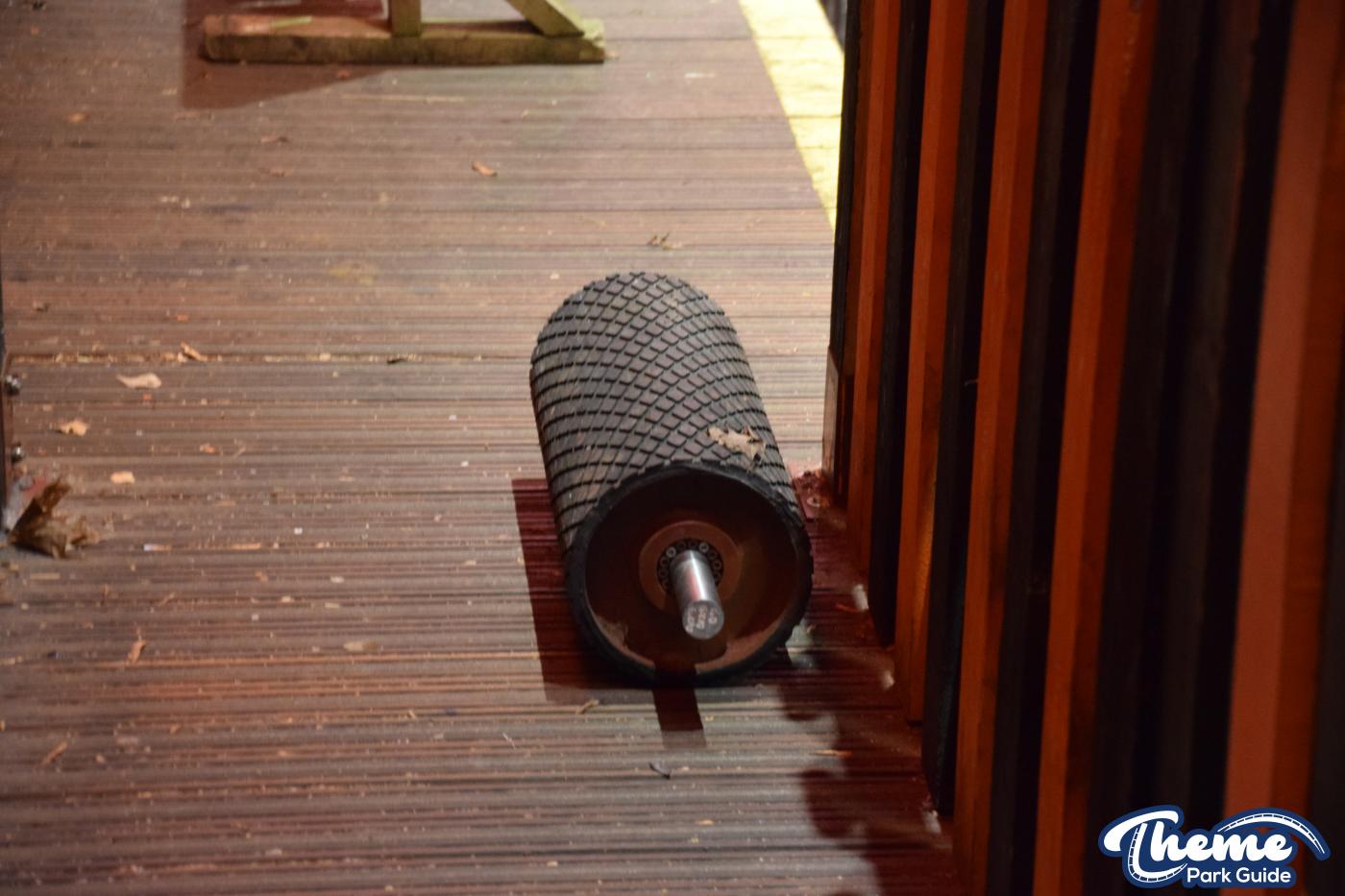
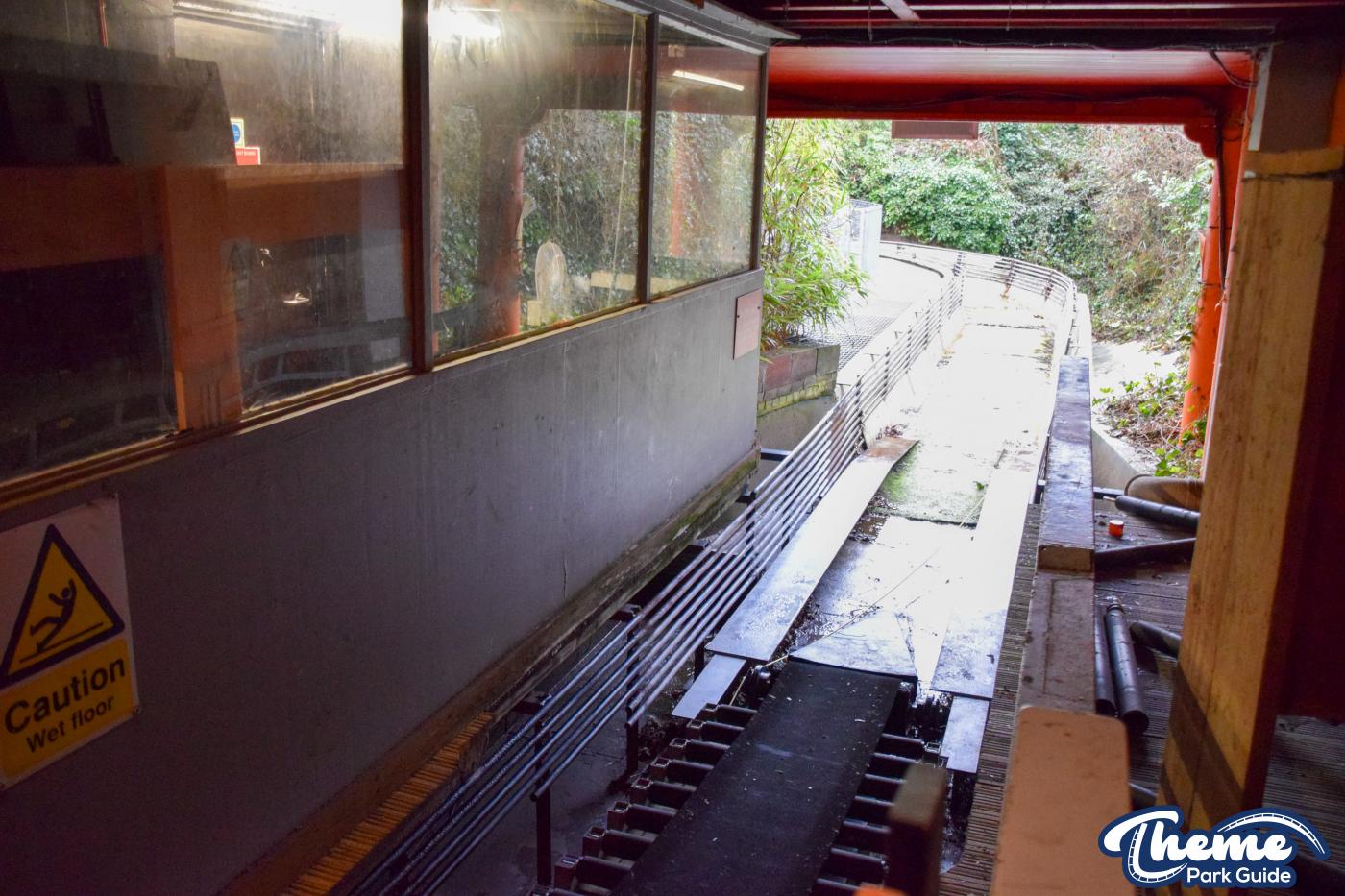
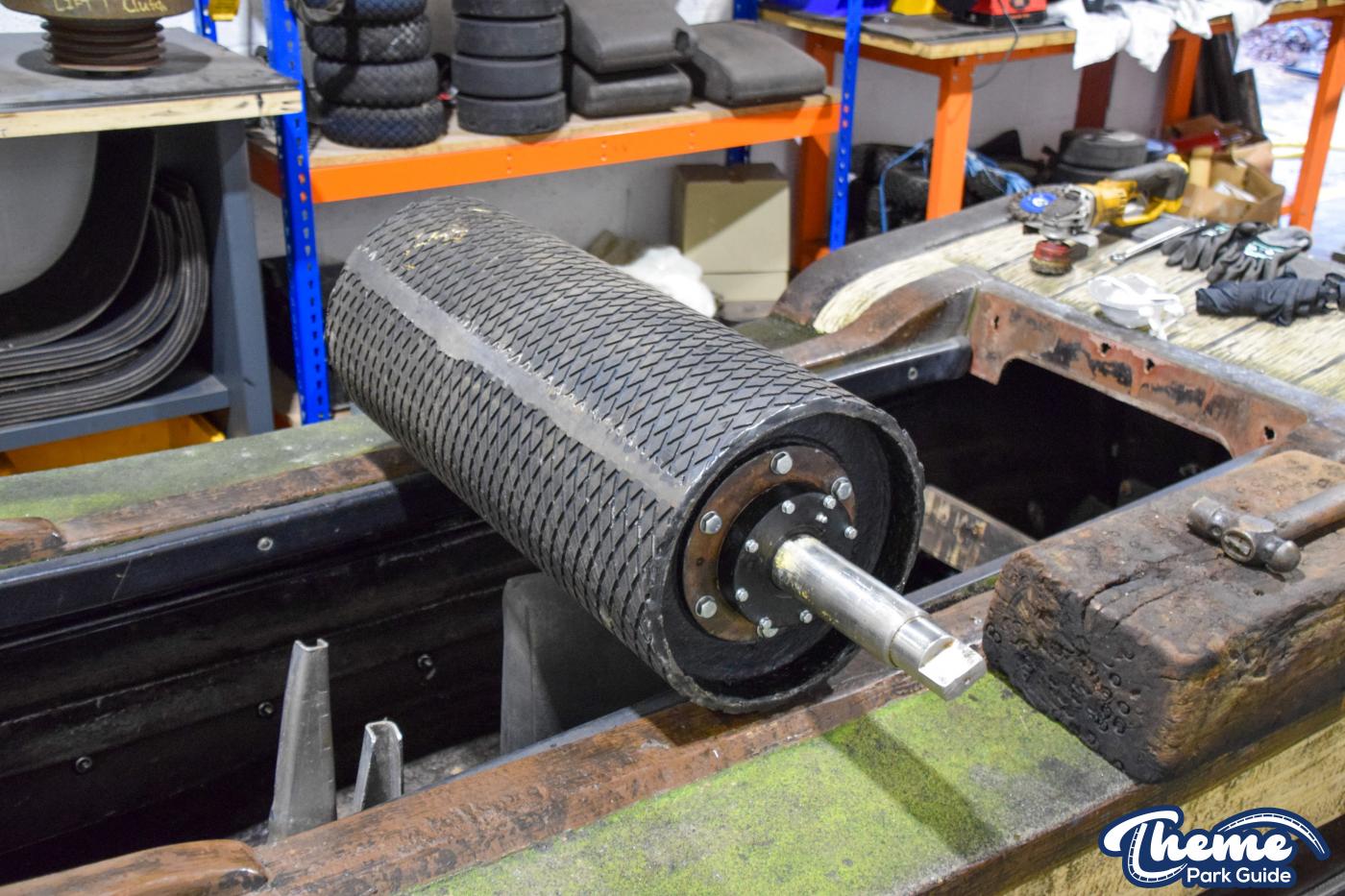
Within the station, a drive belt keeps boats moving steadily. The motor at the front of the station connects to the roller via a coupling system. Because the motor and roller use separate shafts, engineers can replace the motor independently without dismantling the entire station belt assembly — a clever design that minimises downtime.
The original control panel remains inside the operator’s cabin, disconnected but intact, with suggestions it may appear at auction in the future.
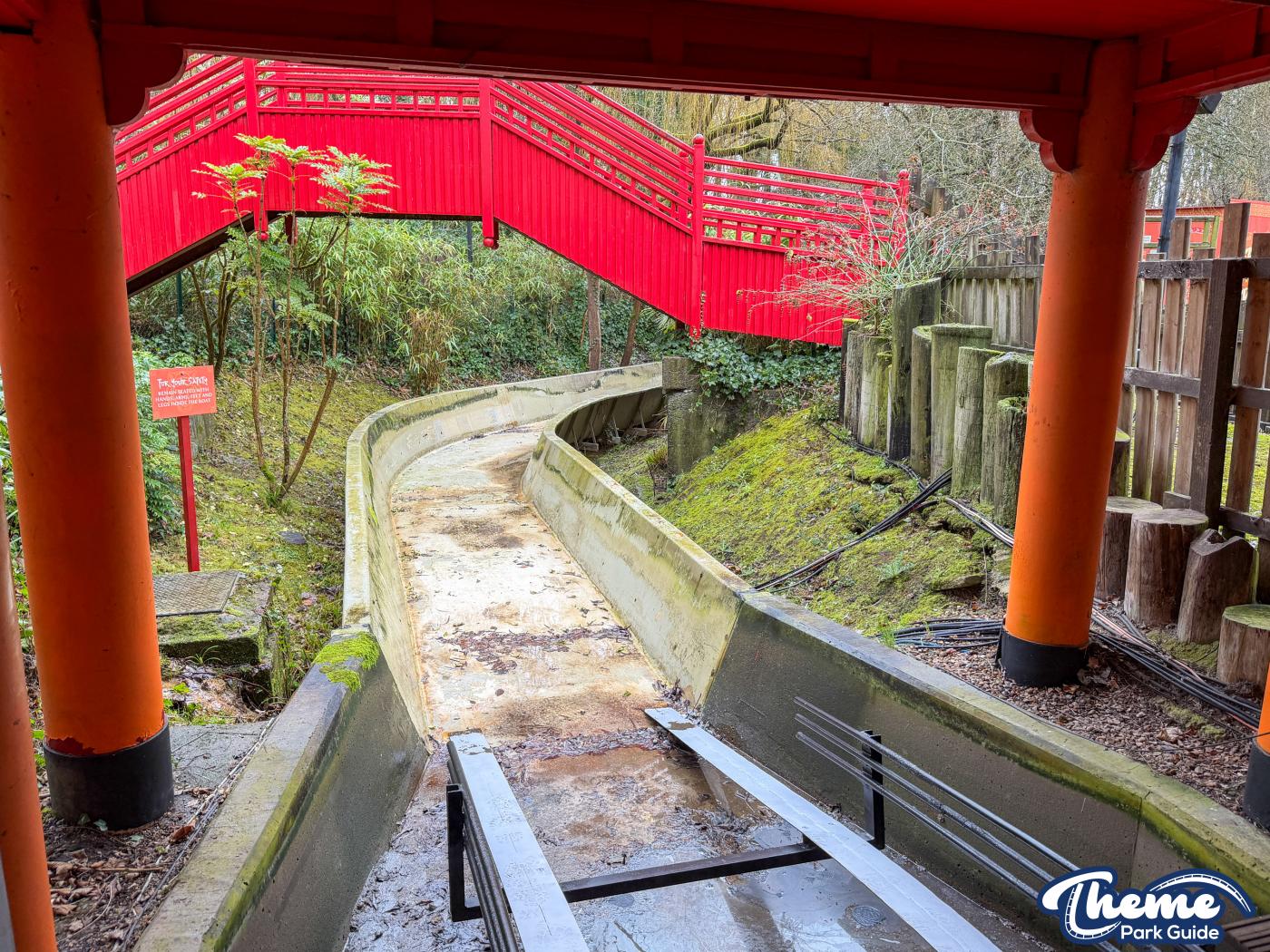
Although water is usually pumped back into the flume by this stage of the closed season, ongoing lift hill work has delayed that process this year. Each winter, belts and rollers are removed for inspection and replacement where necessary.
An additional interesting detail about Tiger Rock is that the wheels fitted to the boats are only engaged when the boats descend the drops, helping to guide and stabilise them during these high-speed sections of the ride.
The boats themselves require relatively modest maintenance, largely focused on wheel and pin checks. They are fitted with anti-rollback devices designed not merely for lift stoppages but specifically to prevent backwards movement should a belt failure occur.